

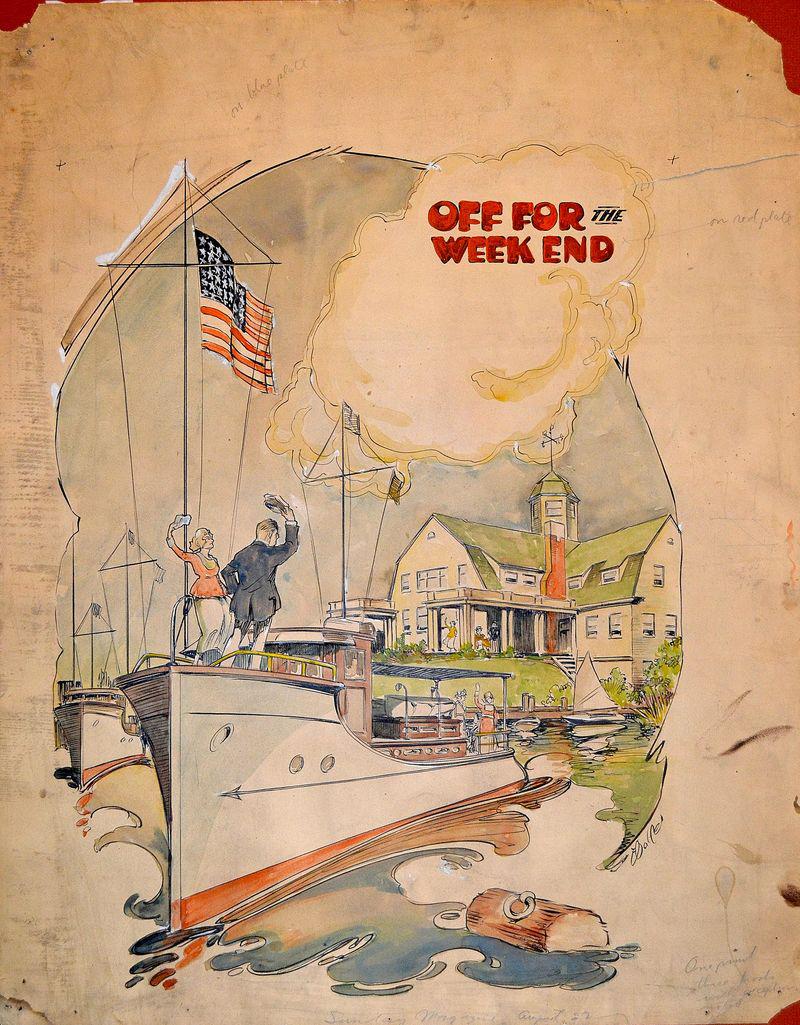
With a historic Mainstation, 10 beautiful Outstations across Washington and British Columbia, and a thriving, active membership of nearly 5,000, the Club is known for its exceptional facilities, warm community, and deep commitment to boating excellence.
SYC has played a leading role in local and international yachting, helping found key associations and maintaining reciprocity with over 225 clubs worldwide. Members—both sailors and power boaters—have earned countless regional, national, and international awards, including Olympic medals. The Club’s renowned junior sailing program continues to inspire the next generation.
Life at SYC centers around shared experiences on the water. From family cruises and regattas to holiday celebrations, education, and service, the Club offers a full calendar of events. Opening Day, SYC’s annual spring celebration, is the Pacific Northwest’s premier boating event and a cherished tradition.
SYC’s continued growth and success are a tribute to the passion, involvement, and generosity of its members, past and present.
Timeline
1892

Northwestern International Yachting Association (NIYA) forms in Bellingham, Washington
The NIYA encouraged the start of several yacht clubs in the towns of Puget Sound, including SYC. The first regatta was hosted by SYC, followed by many races throughout the 1890s.
1892

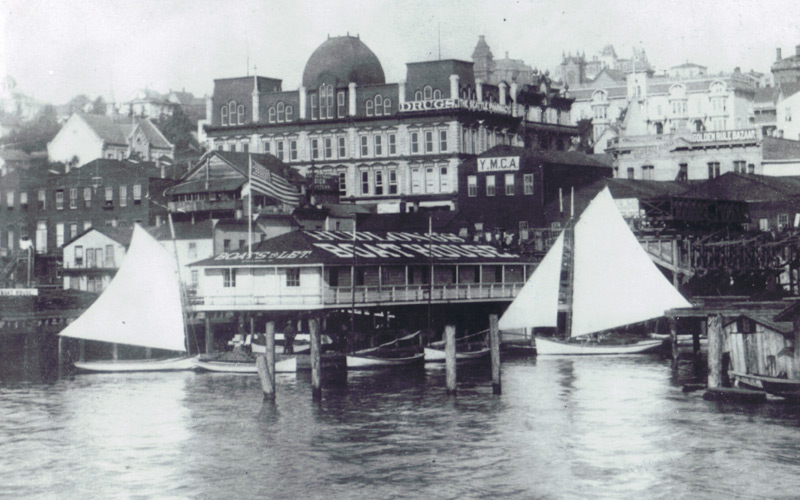
Seattle Yacht Club Founded
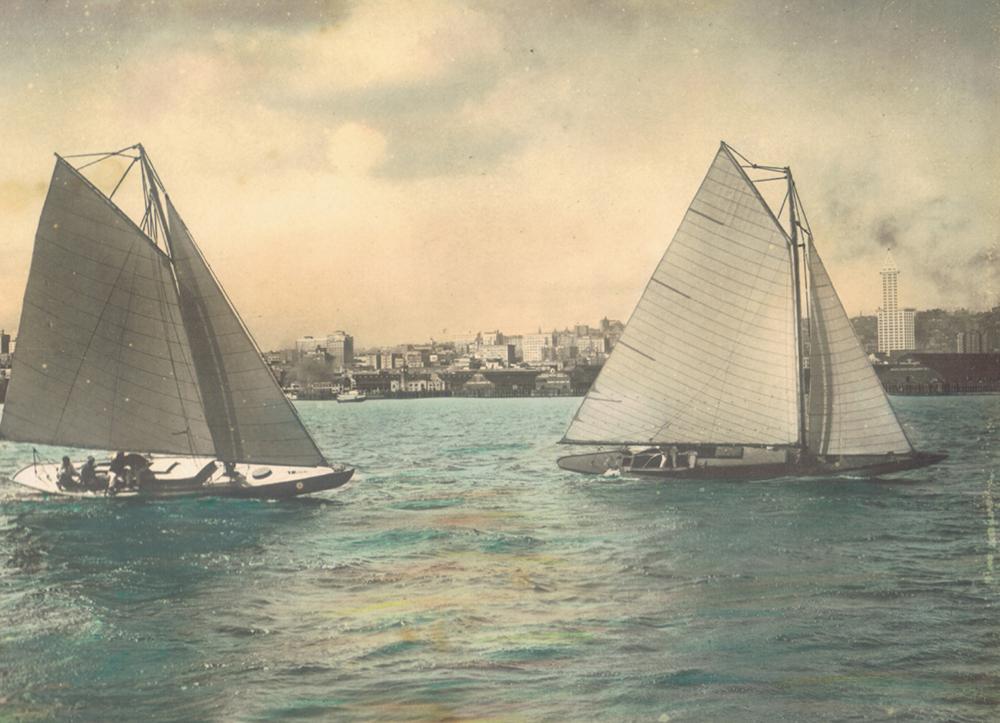
During the late 19th century, several yacht clubs emerged on the shores of Puget Sound, including SYC and the Elliott Bay YC (founded 1894). The early years were shaky, as the Panic of 1893 brought a national economic downturn that affected the SYC’s membership of “yachting gentlemen.”
1897 - 1898
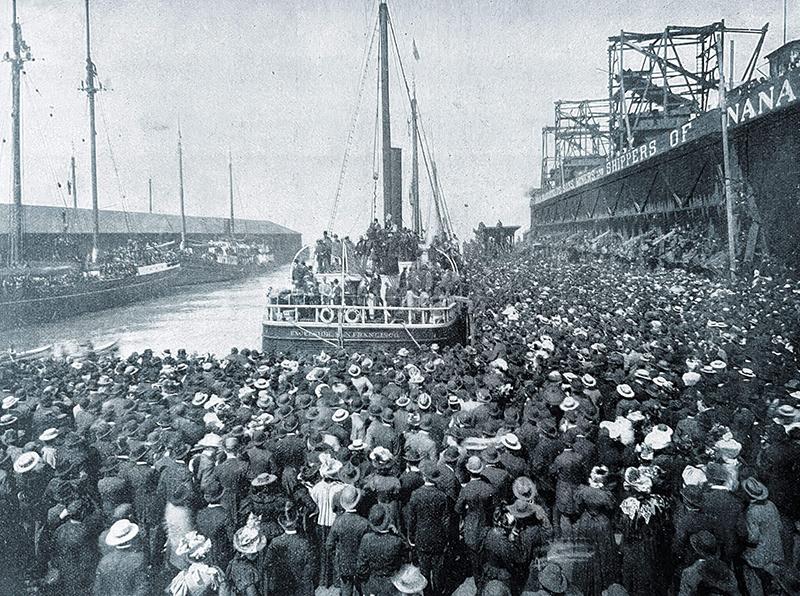
Klondike Gold Rush
The discovery of gold in the Yukon put Seattle on the map, boosting the city’s economy. SYC grew stronger during this new era of expanding population and commerce, as the city became the jumping off point for prospectors heading north.
1909
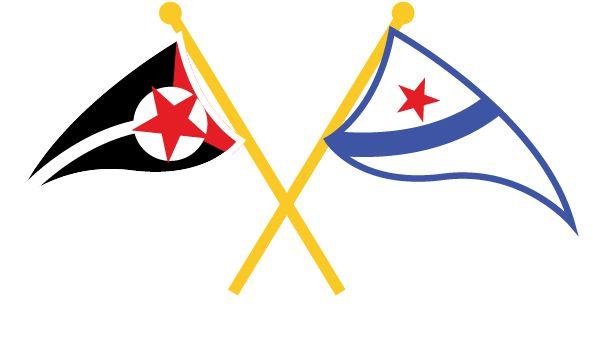
SYC Merges with Elliott Bay YC
As the Elliott Bay YC constructed a new clubhouse in West Seattle and its membership grew rapidly, SYC floundered. SYC retained its name during the merger, while adopting the Elliott Bay YC’s burgee and bylaws.
1909
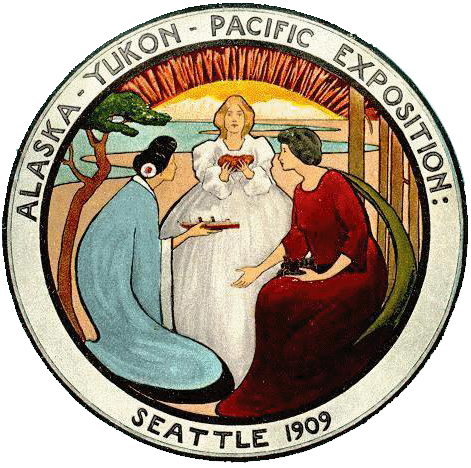
Alaska Yukon Exposition
A decade after the Klondike Gold Rush, Seattle celebrated the development and growth of the Pacific Northwest with this fair on the University of Washington campus. SYC was the official host for boaters during the Exposition.
1913
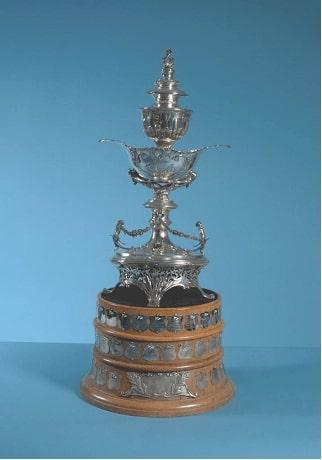
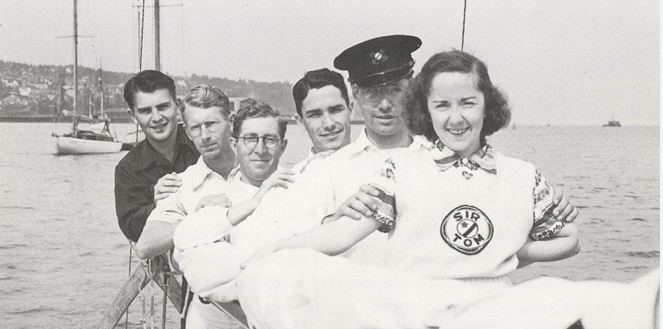
Sir Thomas Lipton Trophy
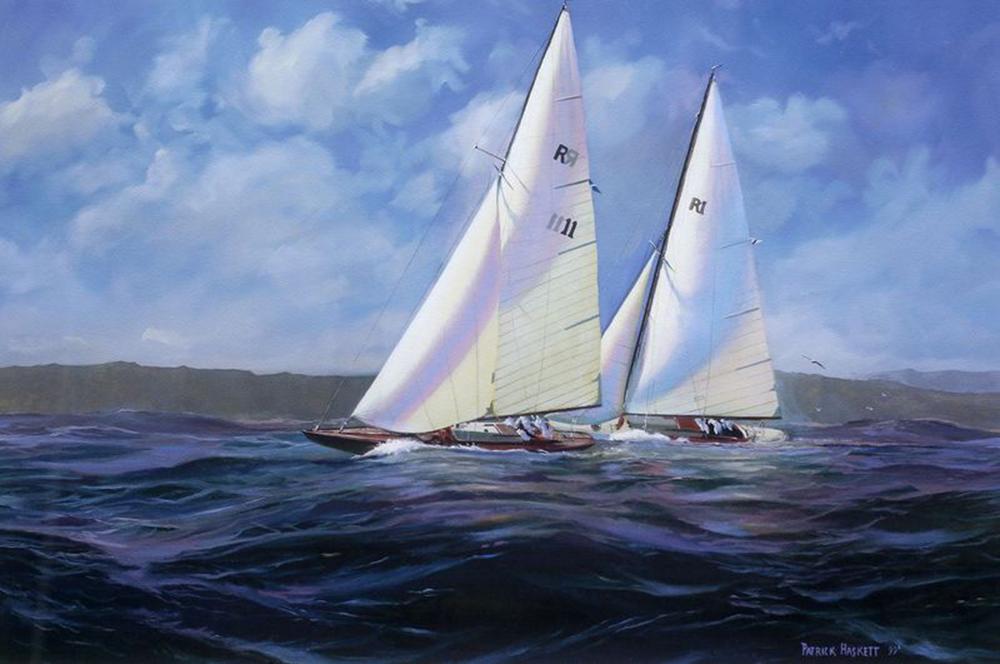
Donated to SYC by Sir Thomas Lipton, this trophy was commissioned in London. The "R" boats Sir Tom of Seattle and Turenga of Vancouver, Canada competed at the first race in 1914. The SYC was the first to have a plaque placed on the base of the trophy. Today, the trophy is on display outside the Ward Room in the Mainstation
1917
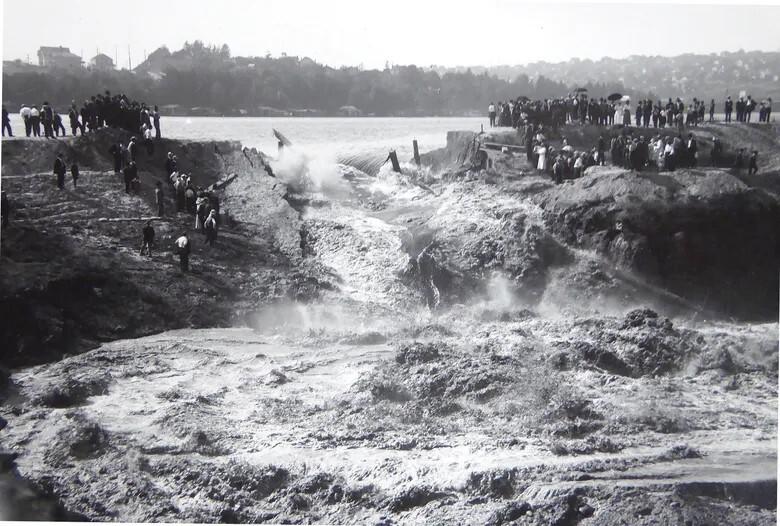
Lake Washington Ship Canal and Hiram M. Chittenden Locks
The completion of the ship canal and locks connected Lake Union, Lake Washington, and Puget Sound, making Portage Bay and Montlake a prime location for SYC’s new clubhouse.
1919 - 1920
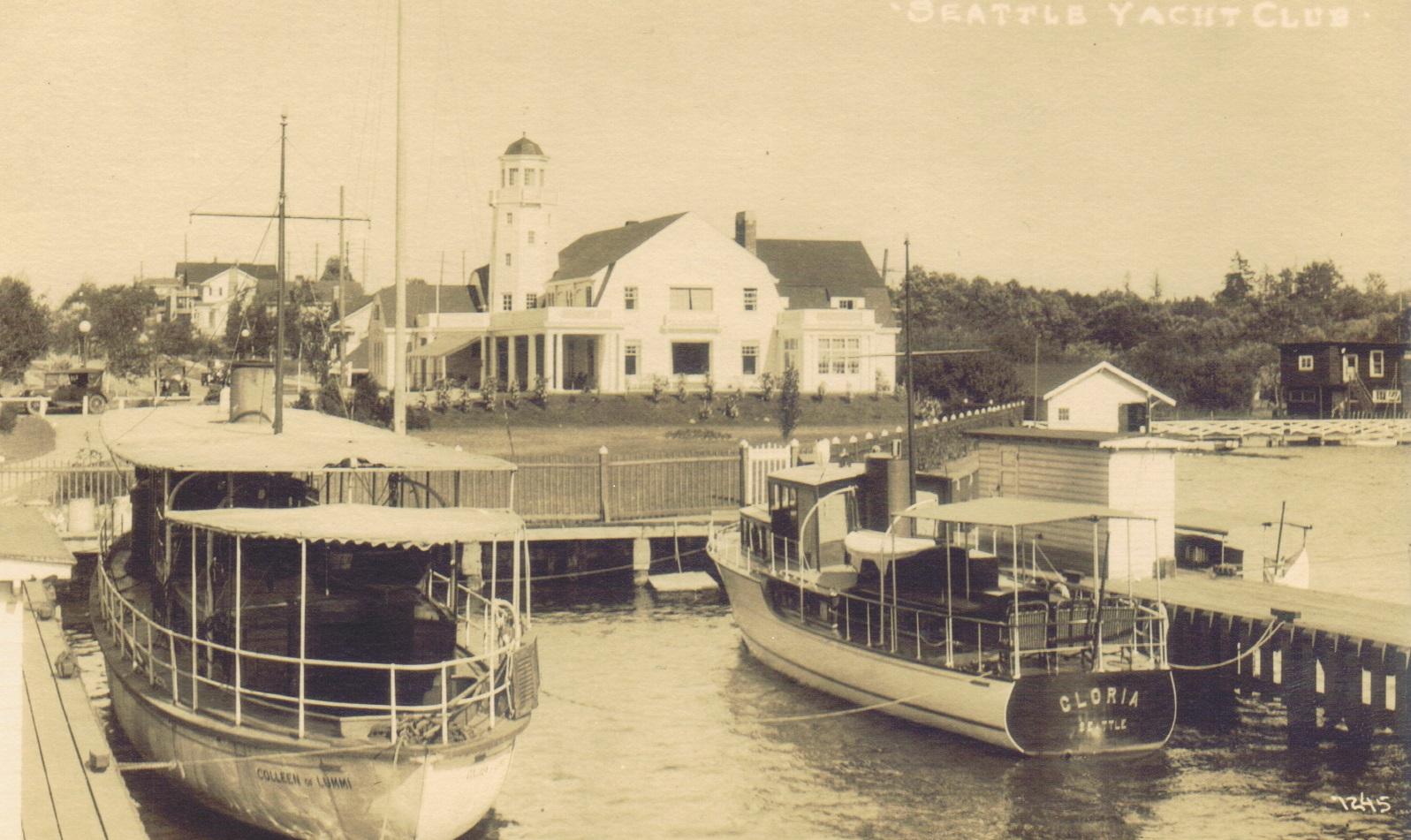
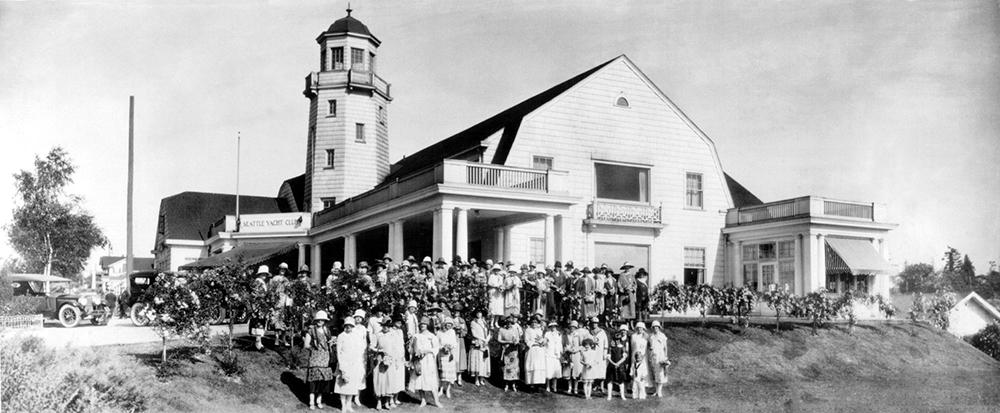
Portage Bay Clubhouse
This colonial revival building on Portage Bay, which opened in 1920, still serves as SYC’s Mainstation.
1920
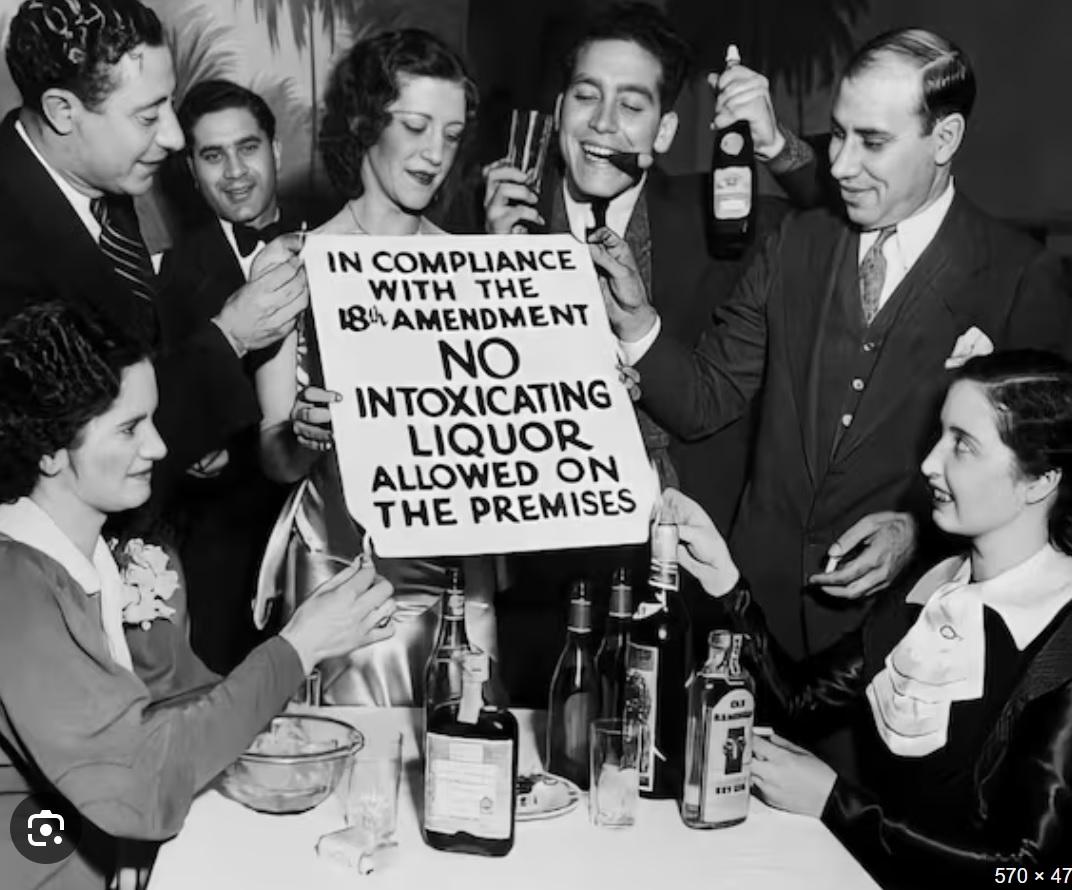
Prohibition
The Volstead Act, passed by the US Congress, took effect this year, prohibiting the production, importation, transportation, and sale of alcoholic beverages across the nation. Seattle residents and members of various city clubs turned to bootleggers, many of whom operated on the water, to provide illegal booze. Prohibition did not seem to affect the revelry at SYC gatherings during the “Roaring 20s.”
1920

Opening Day
Opening Day became an annual event on the first Saturday in May. The first parade through the Montlake Cut included 30 yachts.
1920s

Racing Flourishes
The Pacific International Yachting Association, successor to the old NIYA, was revived with the re-entry of Canadian yachts in competition. While sailing yachts had dominated the Club’s fleet during the early years, the number of power cruisers, steam yachts, runabouts, and large auxiliaries increased during the “Roaring Twenties.” Racing craft, both sail and power, were improved and auxiliary power was added to many large sailing vessels. One-design fleets multiplied.
1922

Social Life Thrives in the “Roaring Twenties”
Seattle’s prosperity was reflected in the social and boating activities of the SYC during this flamboyant decade. The “Roaring Twenties” were in full swing when SYC hosted a Mardi Gras Ball on Feb. 28. Members engaged in community events during the 1920s as well, organizing the annual Special People’s Cruise during this decade.
1924

SYC Juniors
This SYC Junior organization began three years before this card was issued. Juniors were the sons of senior members and often served as crew. Many first learned to sail on catboats, later moving to flatties.
1930s
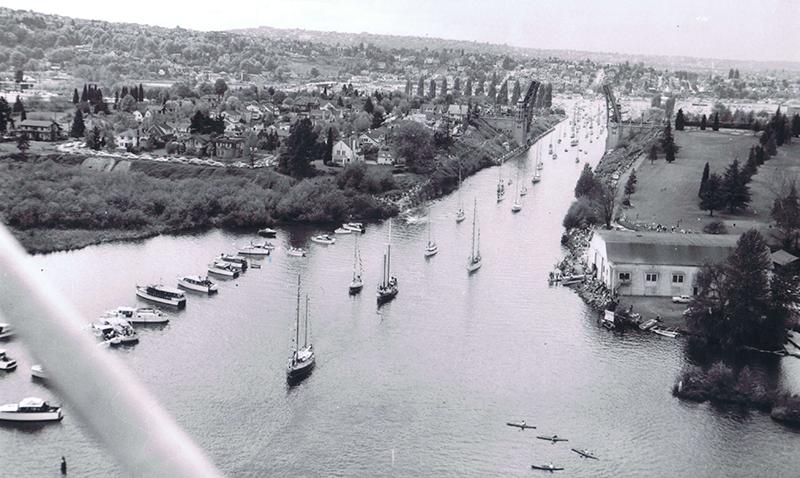
Great Depression
Seattle, like the rest of the nation, suffered economic hardships during this decade. The Club lost memberships while maintenance was completed on a patch-as-you-can-pay basis. Although Club services were curtailed, a core of loyal members managed to keep the club afloat, organizing work parties for essential repairs and painting. Pictured here is Opening Day in 1930.
1933
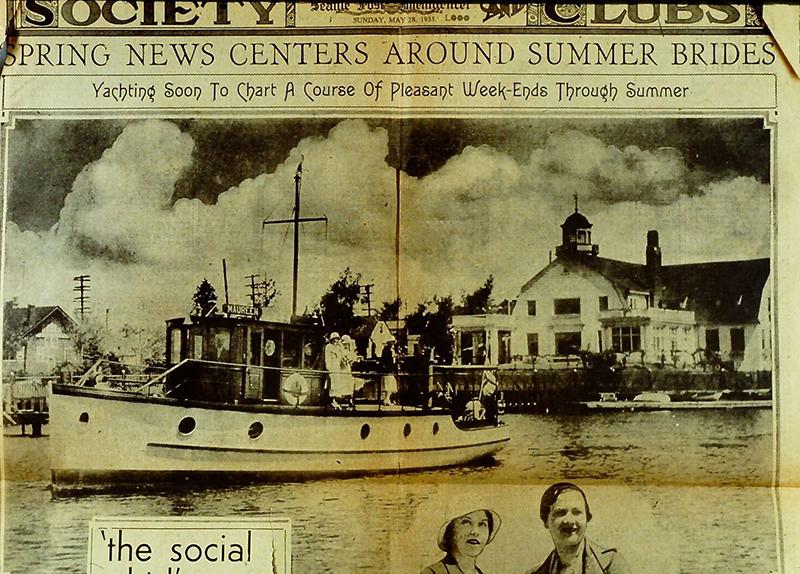
Prohibition Ends
SYC waved goodbye to national prohibition by gleefully burying “Old Man Volstead” on the first Friday in May with a “Night in the Fo’c’sle” party. Opening Day that year began with the ceremonial hanging in effigy of “Old Man Depression.” SYC and the Mainstation were featured in the Society pages of the Seattle Post-Intelligencer in May 1933.
1940
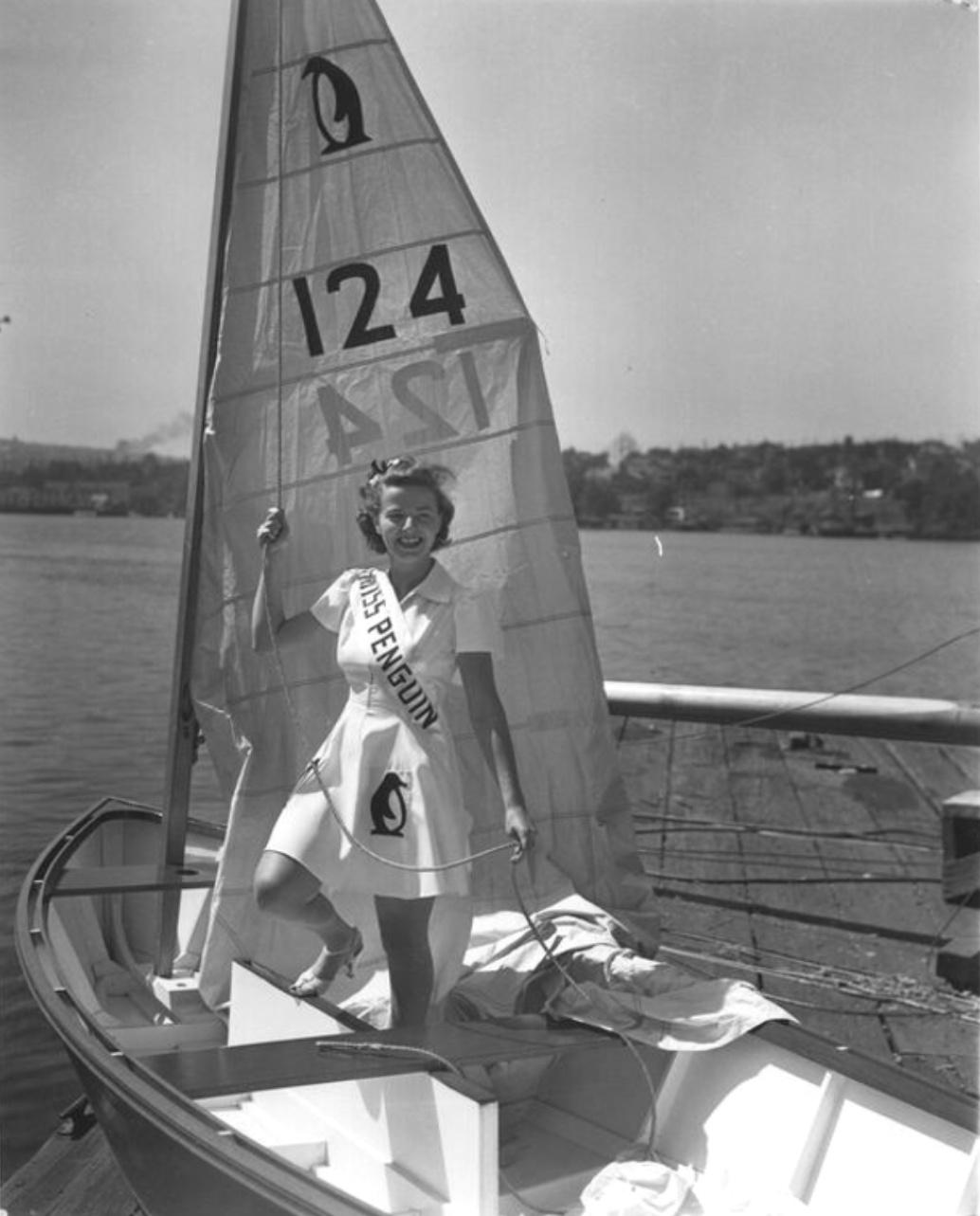
Penguins Arrive on Puget Sound
SYC purchased a fleet of these small sailboats for teaching young sailors. Later, these classes were open to the public.
1941 - 1945
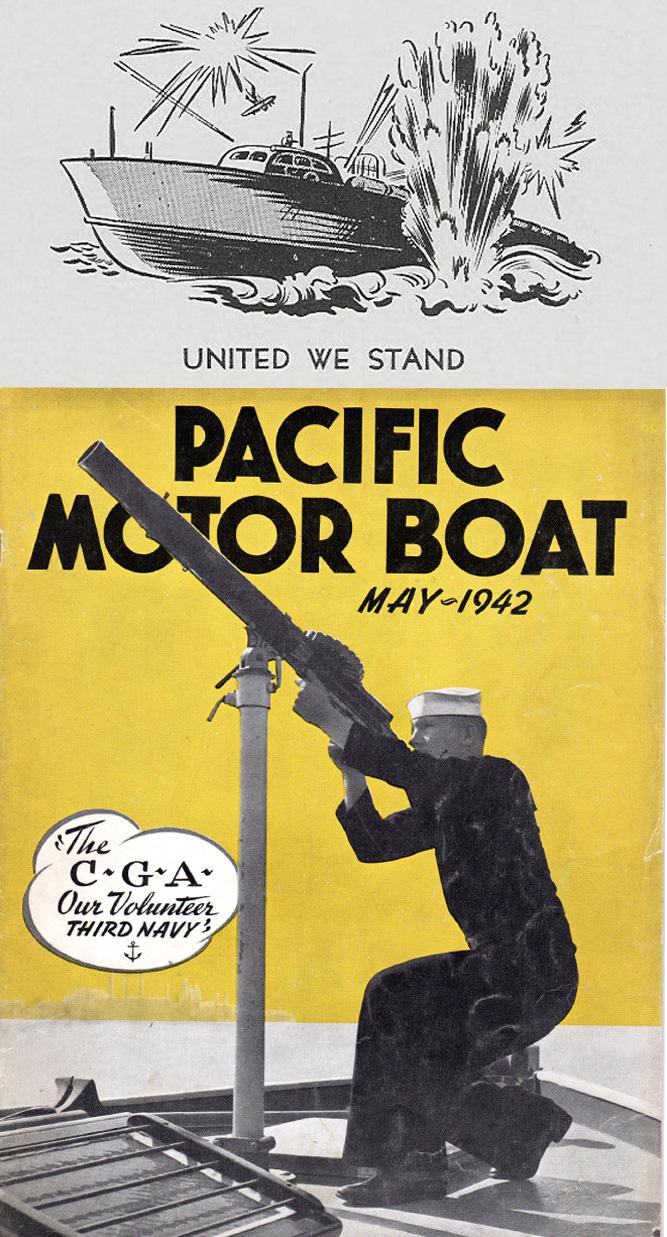
World War II
With the entry of the United States into World War II, the Club became the center of a Flotilla of the U. S. Coast Guard Auxiliary, with 60 yachts and over 300 men on active duty. Club vessels assisted in patrolling areas from Seattle to Hood Canal, ferrying air ammunition, picking up target torpedoes, and performing emergency duties.
1944
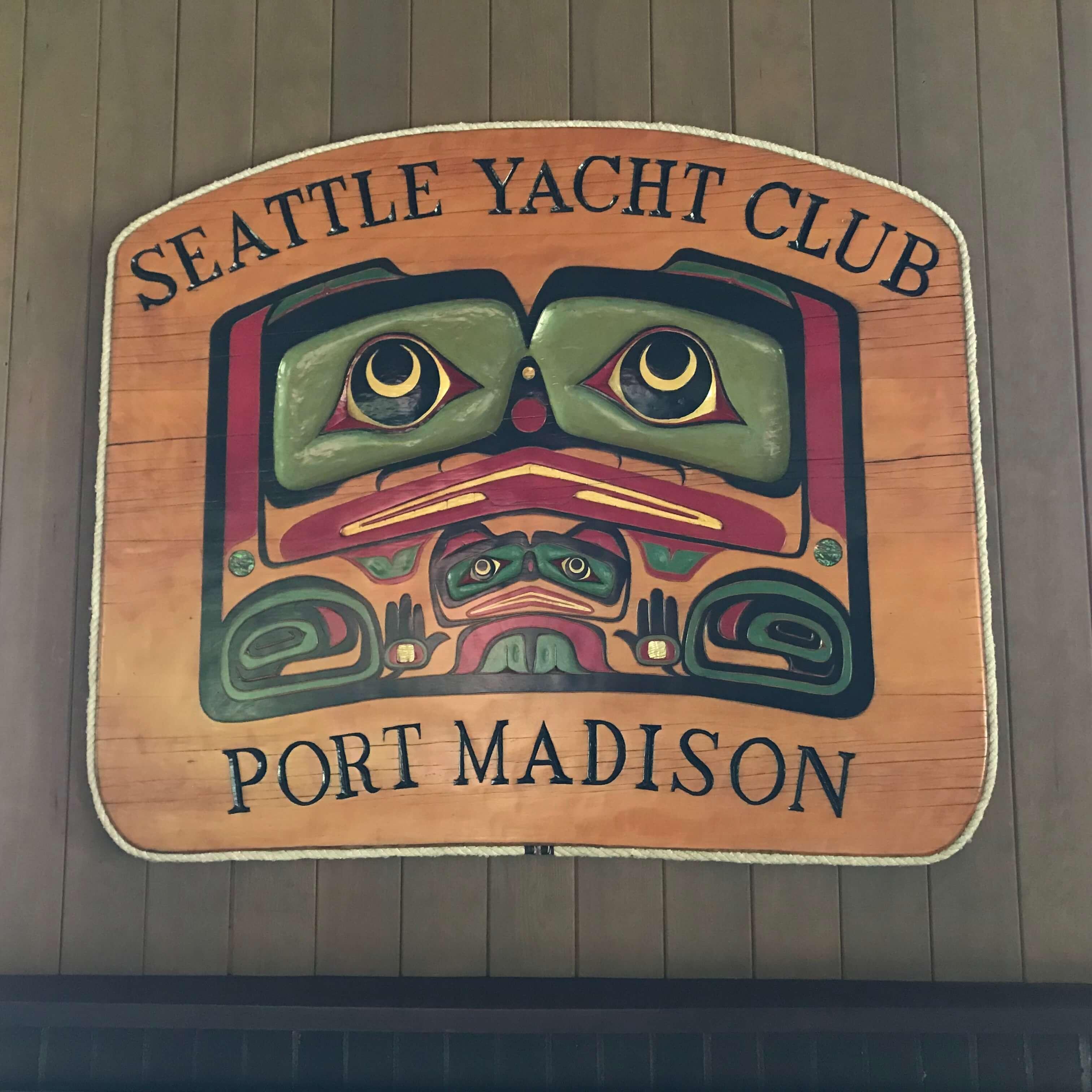
Port Madison Outstation
SYC purchased waterfront property, including a rickety wharf and unpainted building, on an inlet on Bainbridge Island. Decades of improvements turned this unassuming site into one of the most cherished and heavily used outstations of SYC.
View Outstations
1945
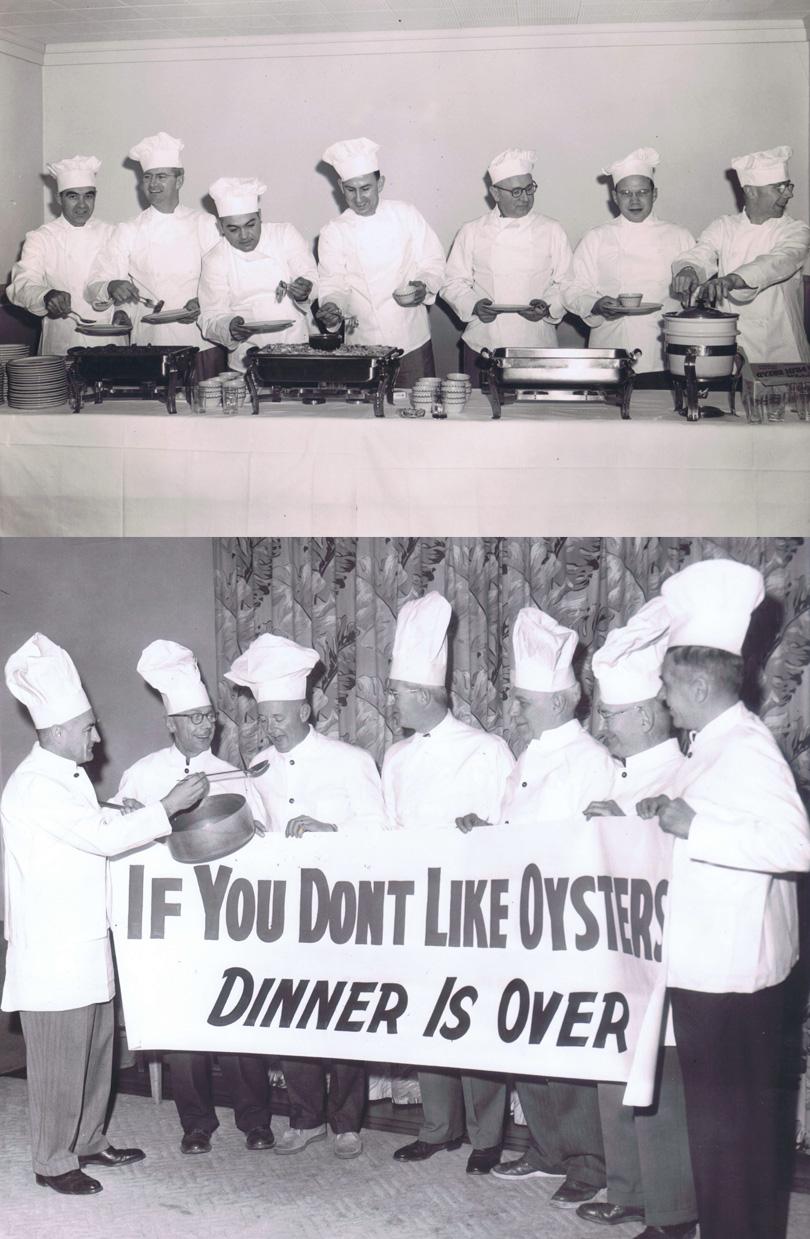
Work Parties and Oyster Feeds
In the final days of World War II, SYC organized work parties to address repair and maintenance around the Clubhouse. One Saturday, an SYC member donated oysters to the Club, which the chef served as stew, fried oysters, oysters Rockefeller, and other dishes. The addition of beer added to the appeal of this new event called the “Oyster Feed,” which increased the turnout of volunteers considerably.
1945

SYC Rebounds
As the decade progressed, SYC increased its membership and revenues, which had depleted during the Great Depression. After years of prohibition, economic hardship, and war, members were ready to focus on boating, social events, and improvements to infrastructure.
1946
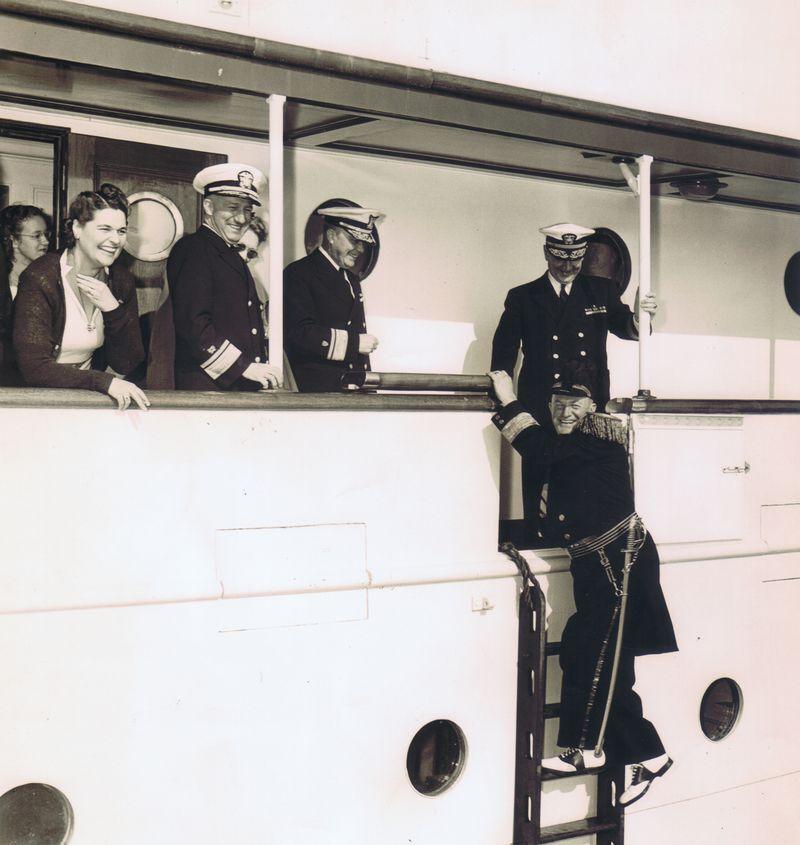
Opening Day Resumes
That year, SYC formally invited other clubs to join the parade. More than 300 vessels participated, signaling the end of wartime fuel rationing and the revival of boating – power and sail – in the Salish Sea.
1950
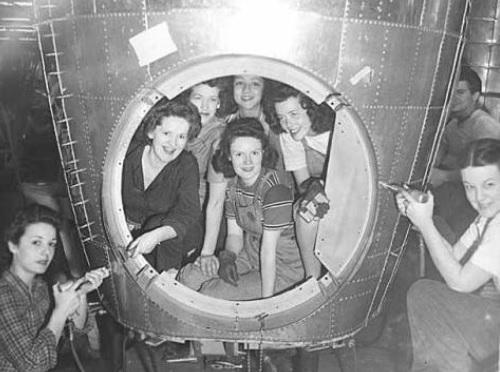
Women’s Group
The changing role of women in post-World War II society was reflected in the formation of SYC Women’s Group, which sought to organize social activities, increase membership, and become more directly involved in boating. SYC also joined the Women’s Interclub Council (WIC) that year.
1950
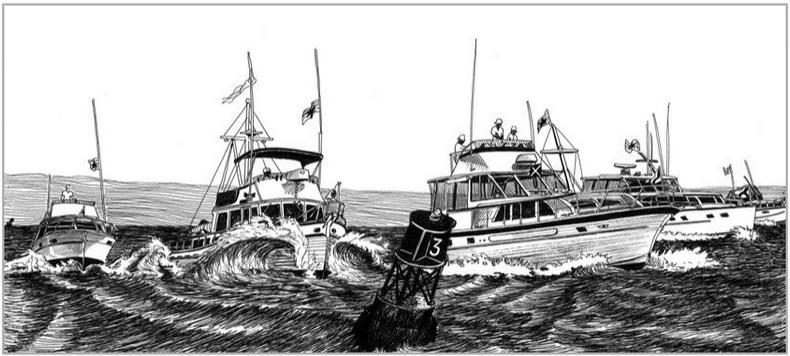
Predicted Log Racing
By 1950 predicted-log racing by power cruisers, which had started in a small way prior to World War II, became an established annual event with the International Power Boat Association, which sponsored races from Puget Sound to Canadian ports and Alaskan waters. The appeal of predicted log racing grew with the popularity of recreational boating after World War II, during the era before modern electronic tools helped replace traditional navigation skills.
1950
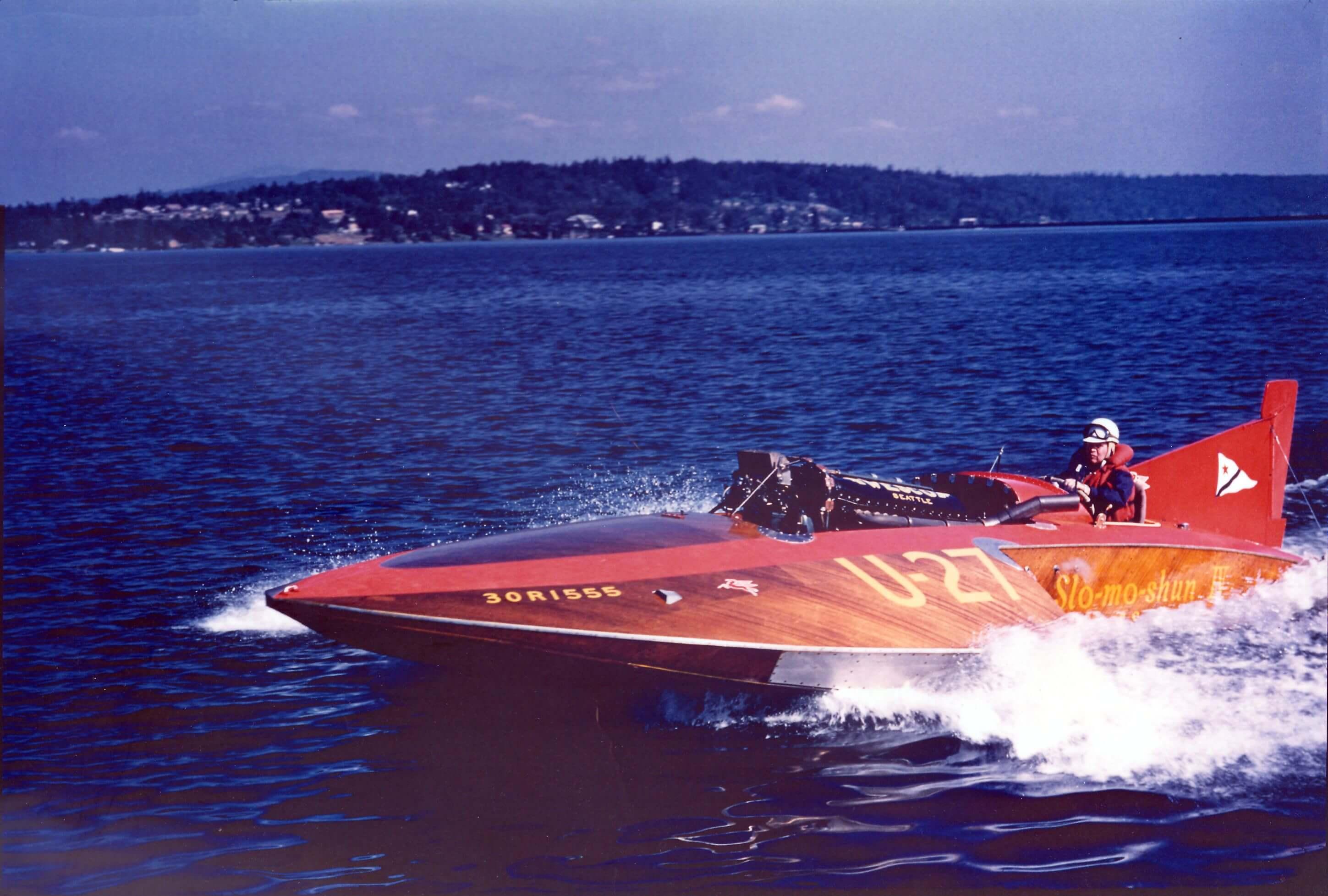
SYC-Sponsored Hydroplanes
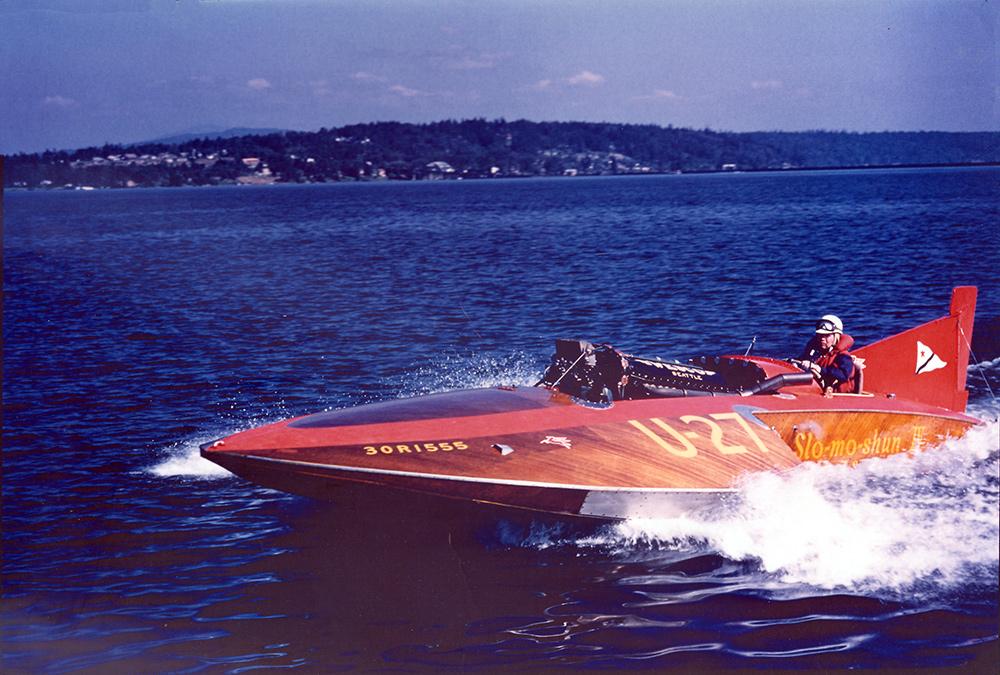
This year, SYC entered a new type of racing: unlimited hydroplanes. A little-known SYC unlimited racing hydroplane, "SIo-Mo-Shun IV,” captured the American Power Boat Association's "Gold Cup" in Detroit. The upsurge of interest in powerboats, both for cruising and racing, opened a new era in our Club's history as the SYC sponsored hydroplanes for years to come.
1957
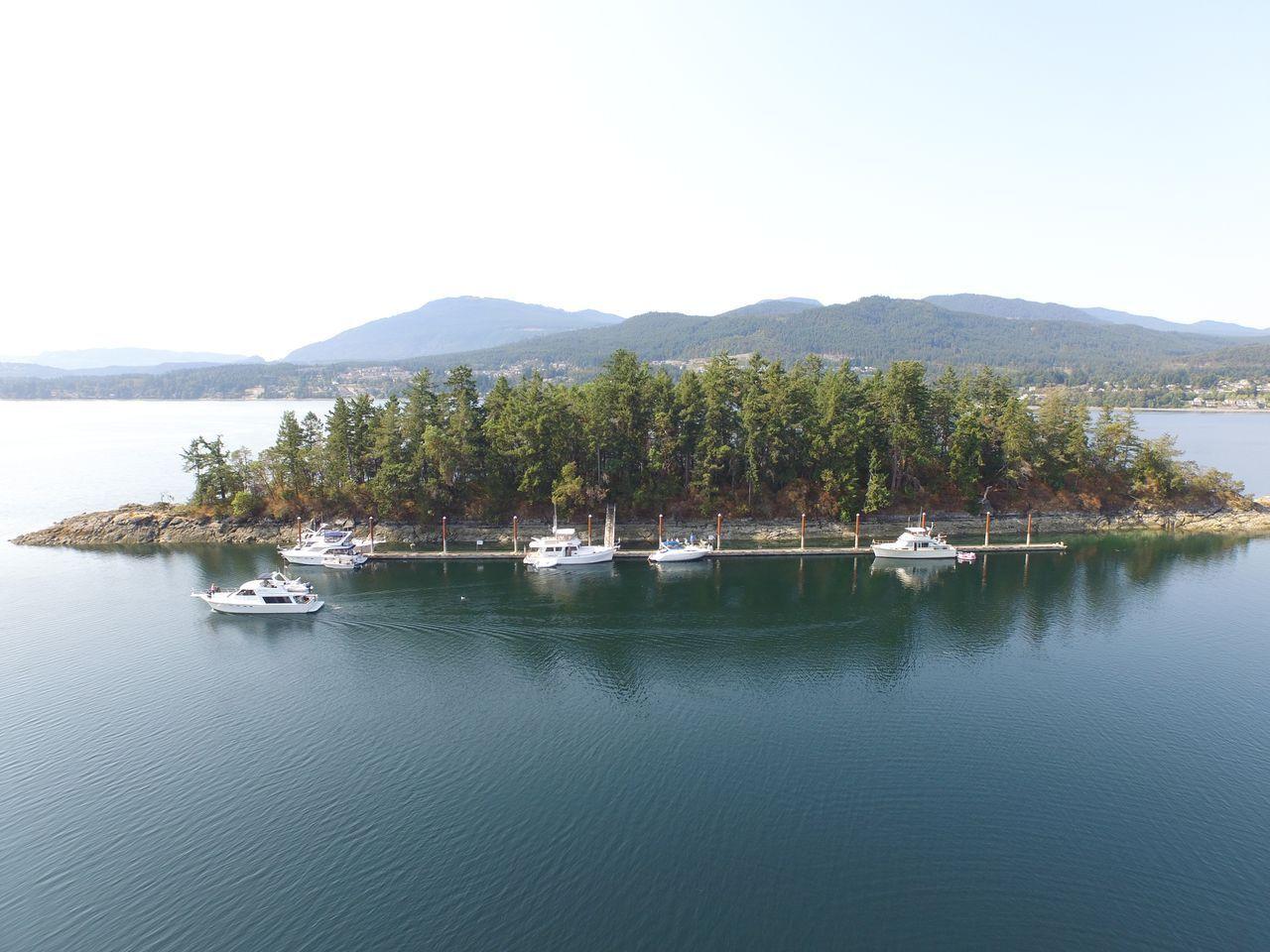
Ovens Outstation
SYC member Wally Ovens purchased a waterfront parcel on one of the Dunsmuir Islands, located near Ladysmith in British Columbia. Today, SYC members affectionately call this wooded, rustic outstation “a dock and a rock.”
View Outstations
1959
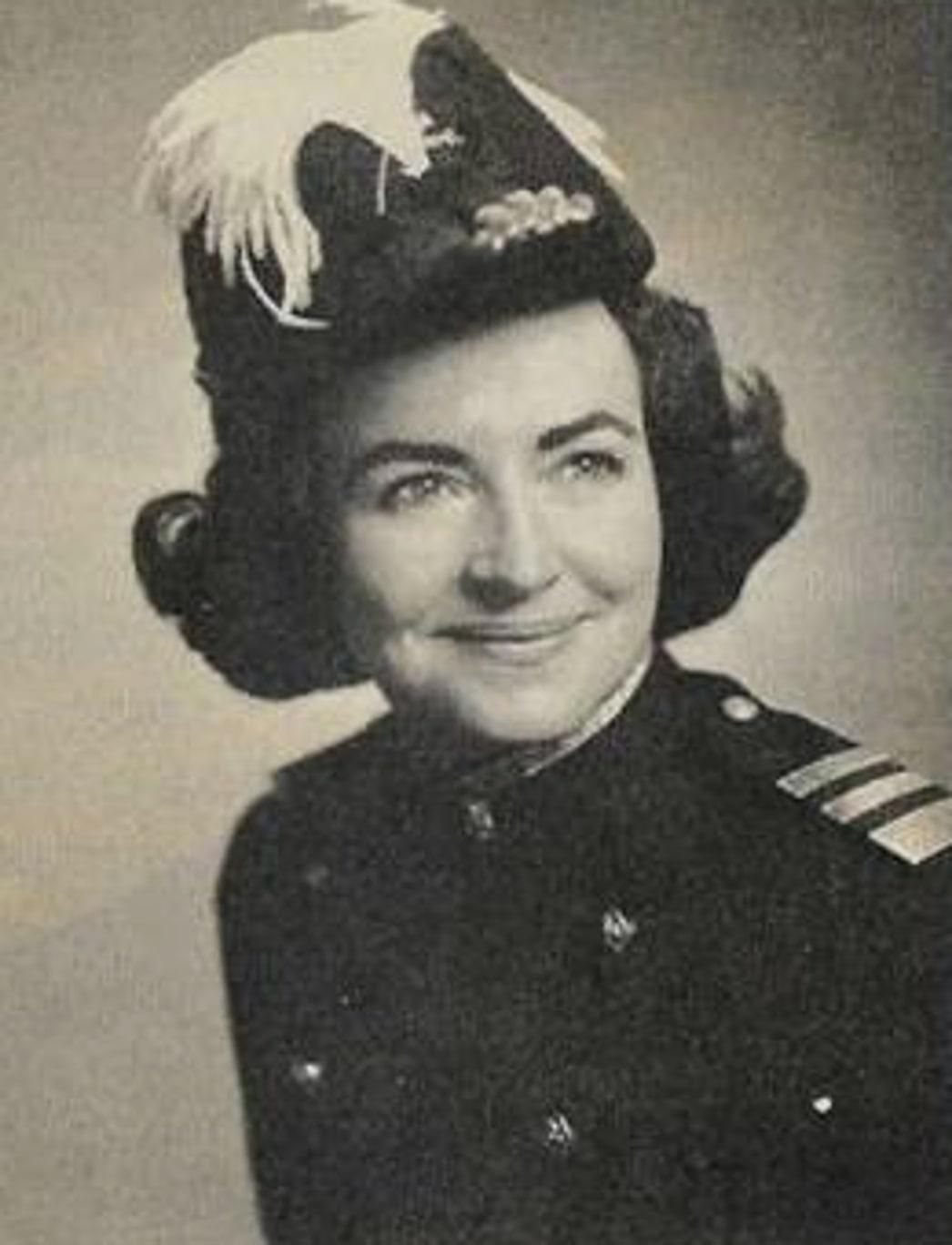
Opening Day Adds Theme
This year, the first Opening Day theme, “Hell’s a Poppin’,” added to the fun – as Jean Hawthorne became the first Admiralette. From this point on, participants decorated their boats around a specific theme, and SYC now awards prizes to the best-decorated and best-dressed boats in several categories.
1960
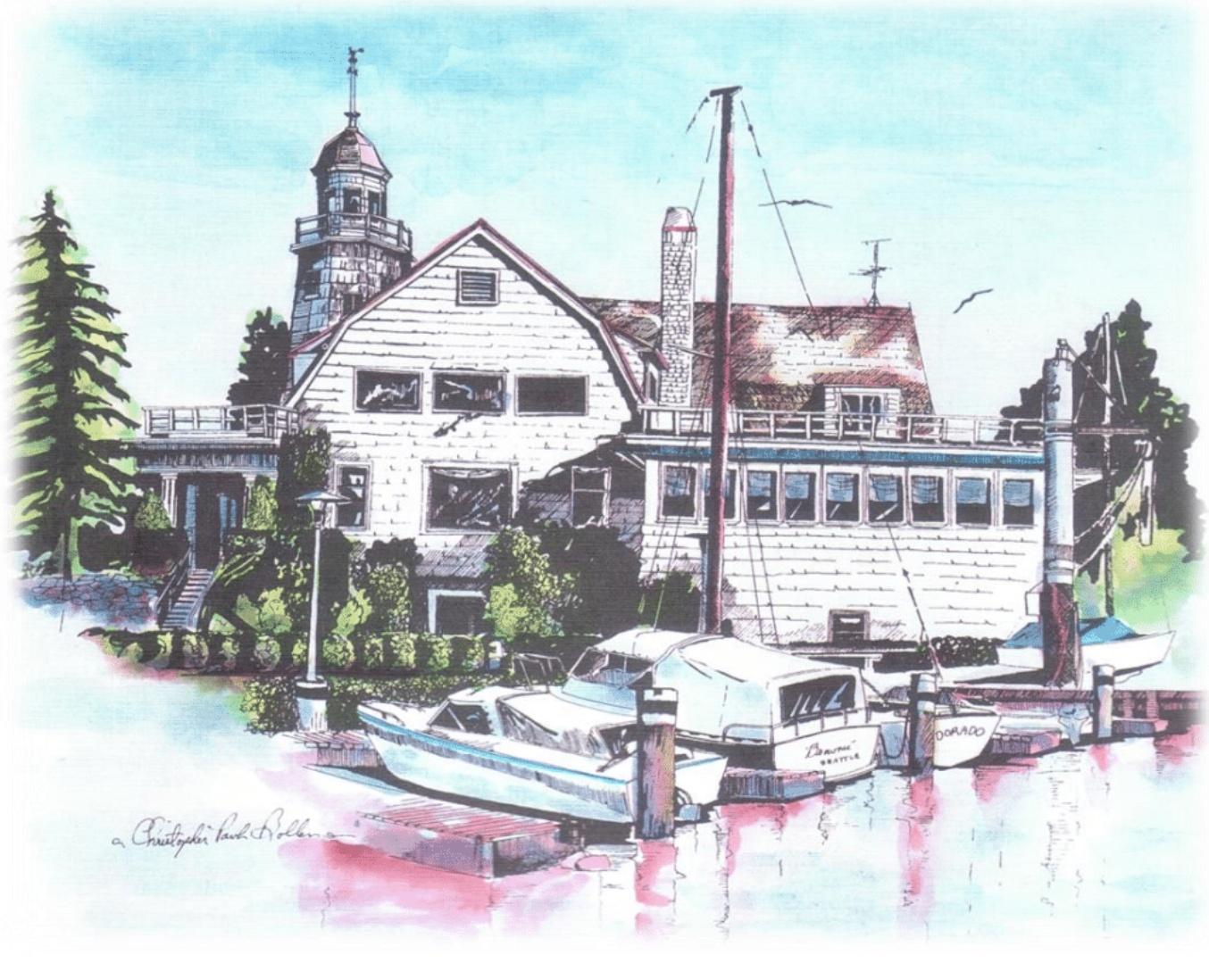
Mainstation Expanded
Exterior construction and remodeling began with a topside patio and the Ward Room extended. The Heritage Room was established and lower-level entrances added.
1963

SYC Dining Facilities Enhanced
New galley and dining facilities were added to the Mainstation.
1966
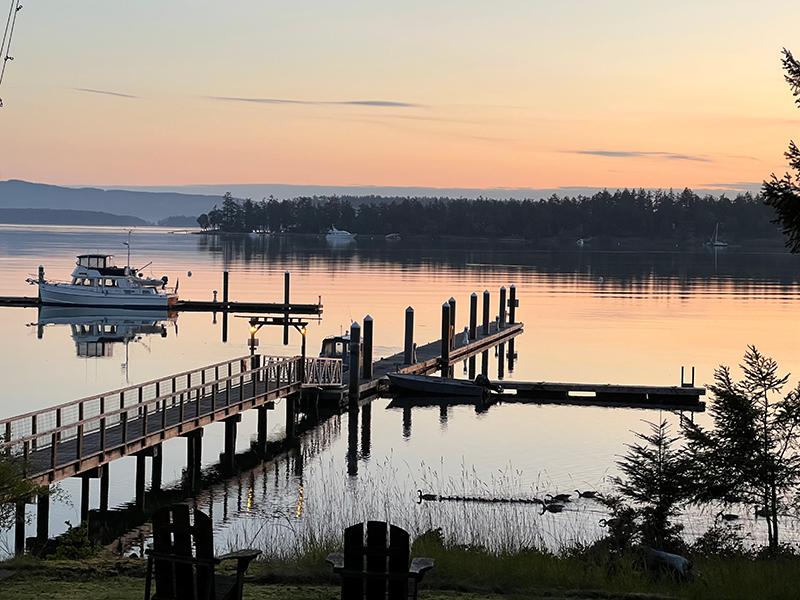
Henry Island Outstation
This property, located near the highly visited Roche Harbor, became an outstation when SYC members negotiated to purchase a section of the waterfront.
View Outstations
1967
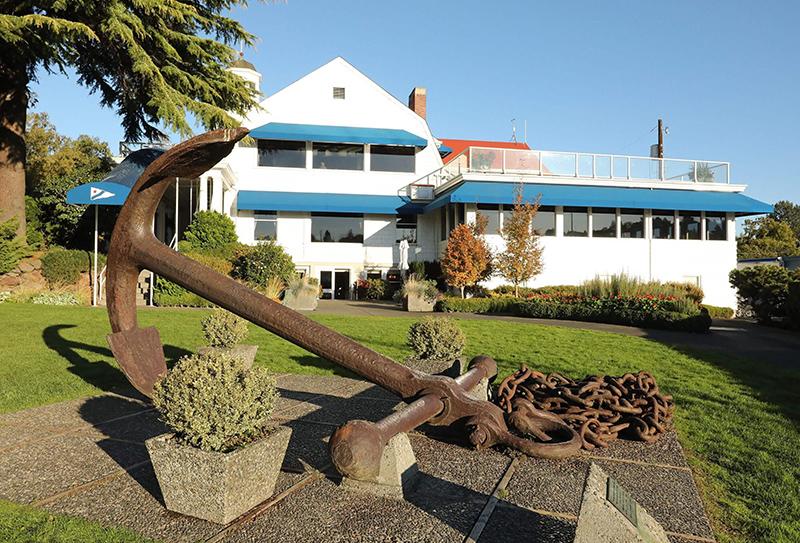
Square-rigger Anchor
The iconic square-rigger anchor was brought down from Alaska, where it was discovered buried at the confluence of the Kvichak and Naknek rivers. SYC member Ned Skinner funded transport of the artifact, which was installed on the Clubhouse lawn. Generations of mariners have admired and appreciated this historic anchor.
1967
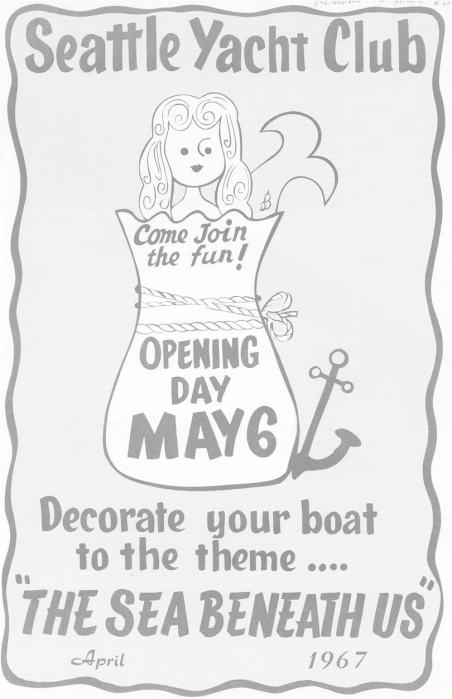
Early Theme for Opening Day
Members had fun with the new themed parades during the 1960s.
1974
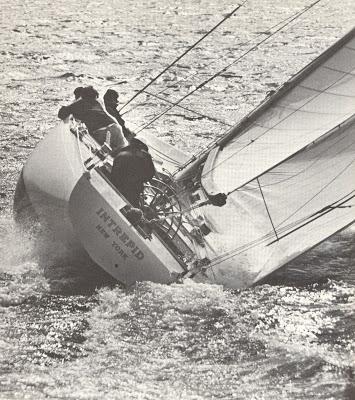
America’s Cup Trials
SYC member Bill Buchan raced aboard the 12-meter Intrepid during the America’s Cup defense trials.
1975
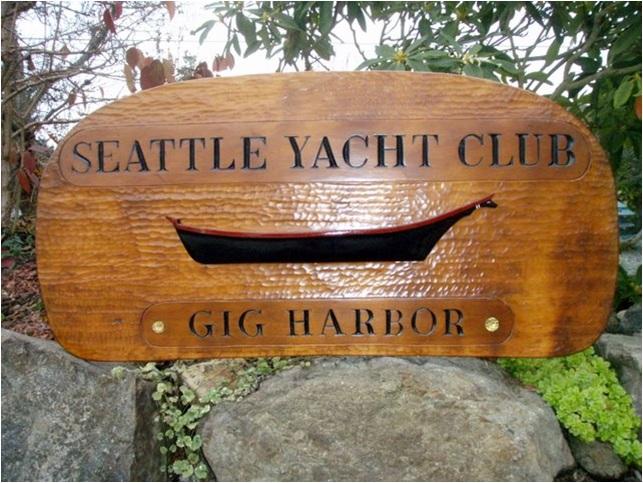
Gig Harbor Outstation
What began as a purchase of a site on the east shore of this lovely inlet sparked heated negotiations with locals, who finally allowed SYC to place a pier and a float in the mid-1980s.
View Outstations
1978
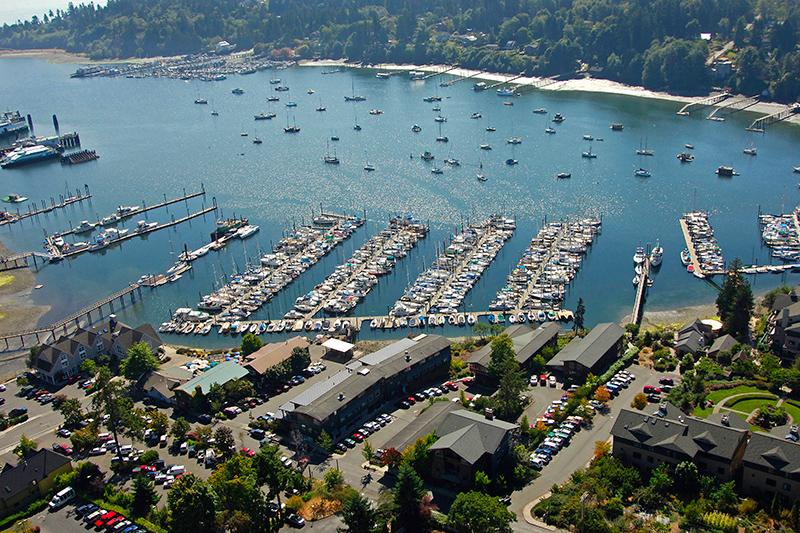
Eagle Harbor Outstation
What began as leased dock space became an outstation during the 1980s, when the Club purchased slips.
View Outstations
1982
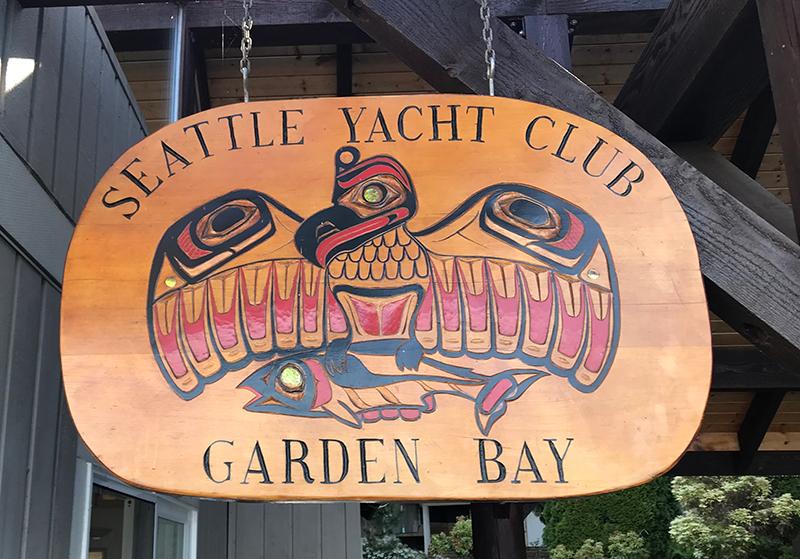
Garden Bay Outstation
Located in Pender Harbour in British Columbia, this property became a very popular stop for SYC members cruising north to Desolation Sound.
View Outstations
1988

America’s Cup Victory
Dennis Conner added SYC member Carl Buchan, son of Bill Buchan, to his catamaran for defense of the America’s Cup – and won.
1991
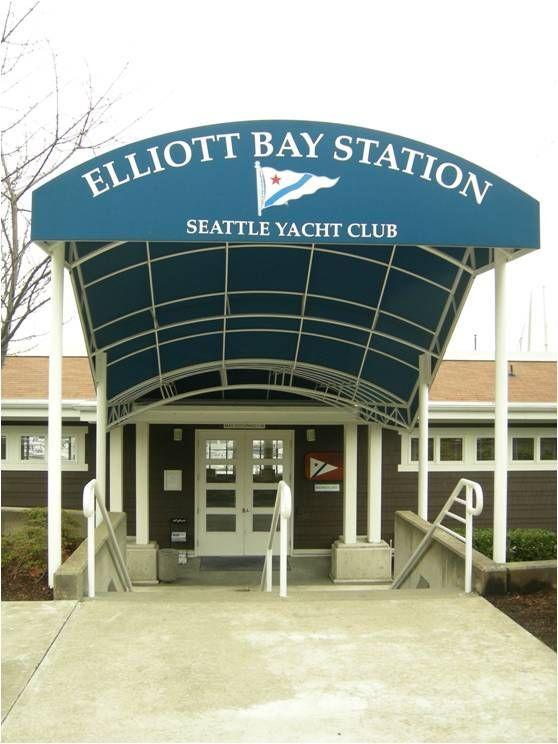
Elliott Bay Outstation
With its sweeping views of Seattle and Mt. Rainier, this marina sitting at the foot of Magnolia Bluff proved to be a prime location for an urban outstation and an alternate location for member events and social activities.
View Outstations
1991
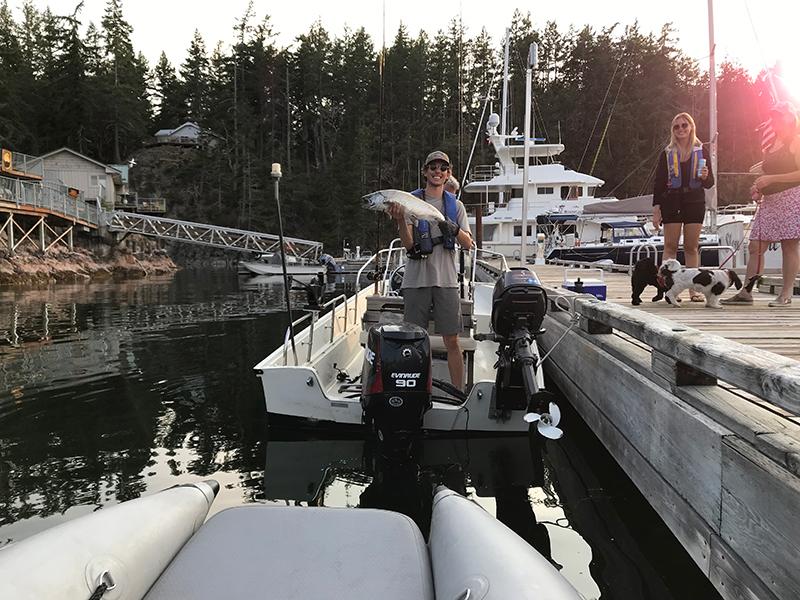
Cortes Bay Outstation
This northernmost outstation is especially beloved by SYC members and has been described as a “wee bit of Norway,” owing to the surrounding forests and steep mountains plunging into the sea.
View Outstations
1992
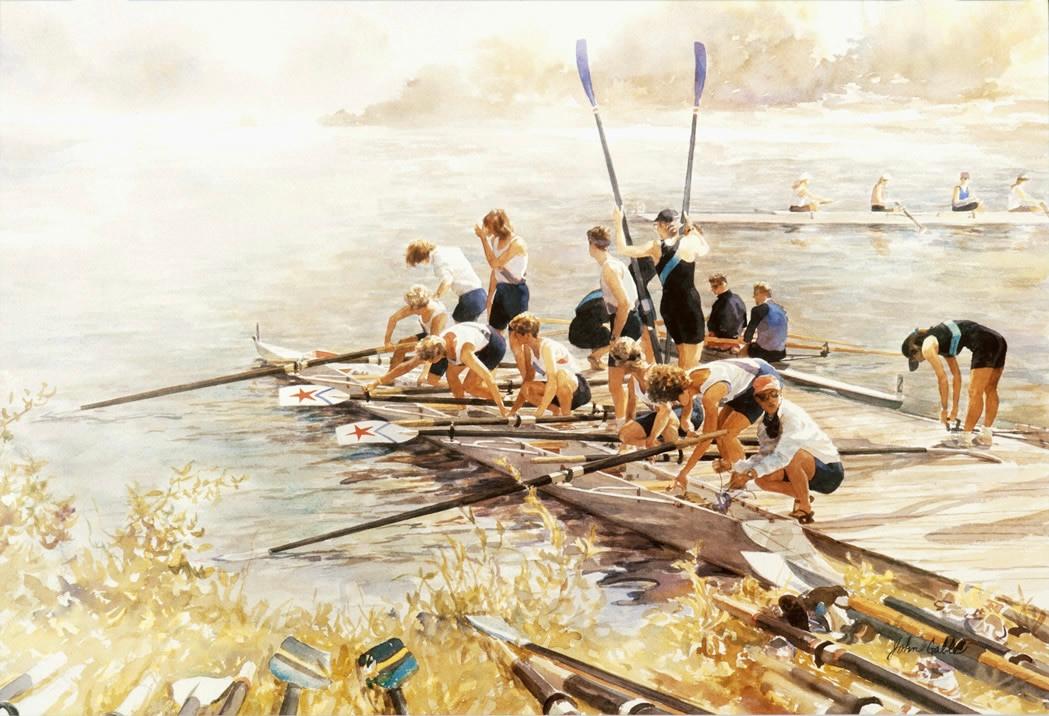
Rowing Victory
The SYC women’s crew won the US Masters National Championship Regatta in Camden, New Jersey.
1992

Monument at the Mainstation entrance
SYC celebrates its centennial with the dedication of this monument at the Mainstation entrance.
2002
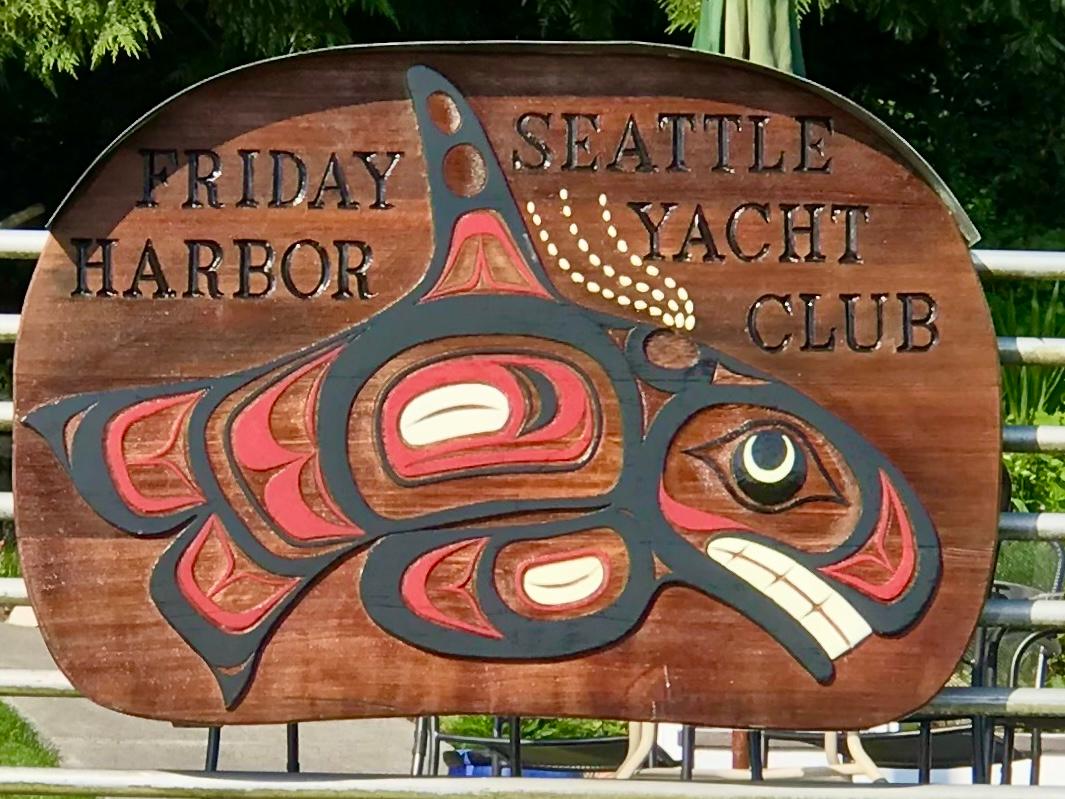
Friday Harbor Outstation
After years of negotiations with a local landowner, SYC purchased this popular site, which included two beachfront cottages, a reading room, showers, laundry facilities, and a garage. Friday Harbor is perhaps the most visited of all the outstations.
View Outstations
2006
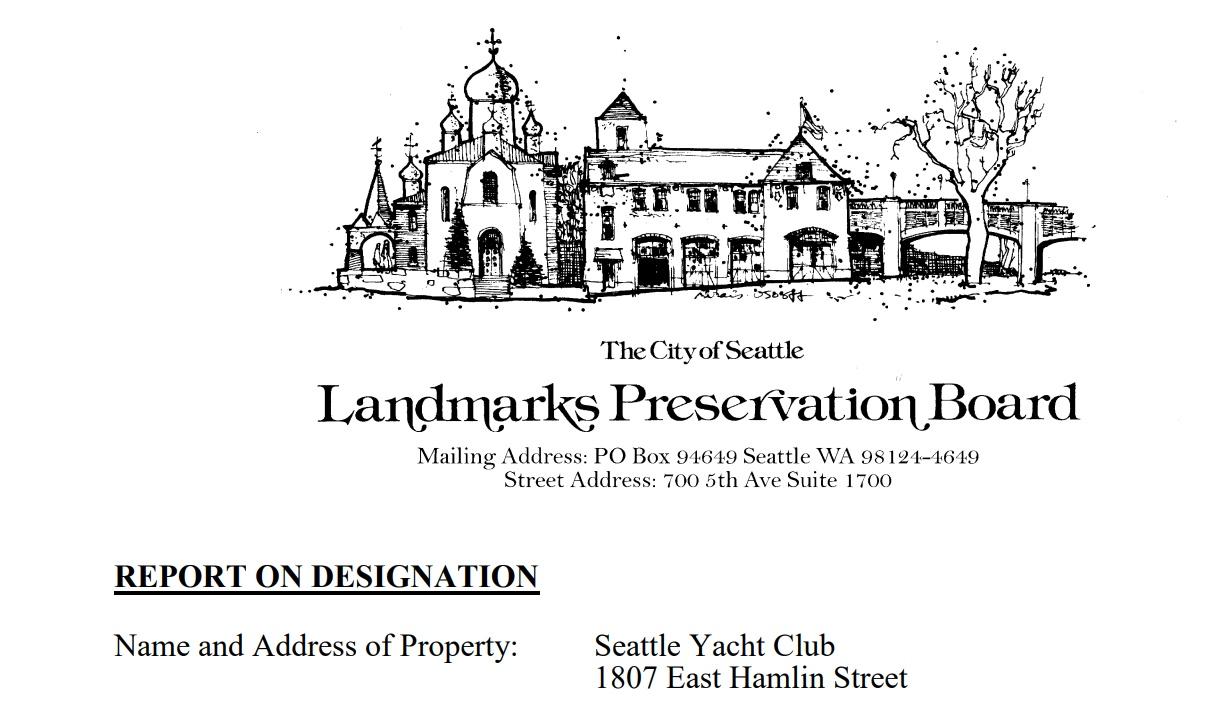
City of Seattle Landmarks Recognition
The City of Seattle Landmarks Preservation Board listed SYC as a landmark based on its association with the significant cultural heritage of the community as well as significant architectural characteristics reflecting a historical period.
2006
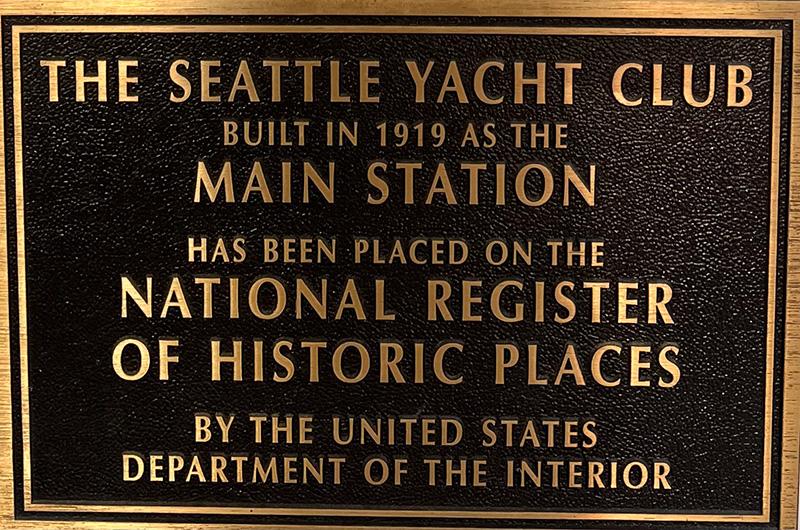
National Register of Historic Places Listing
The National Register of Historic Places recognized SYC’s role in community development, explaining that in addition to the contributions of individual members over time, SYC itself has had a significant impact on the city’s culture.
2013
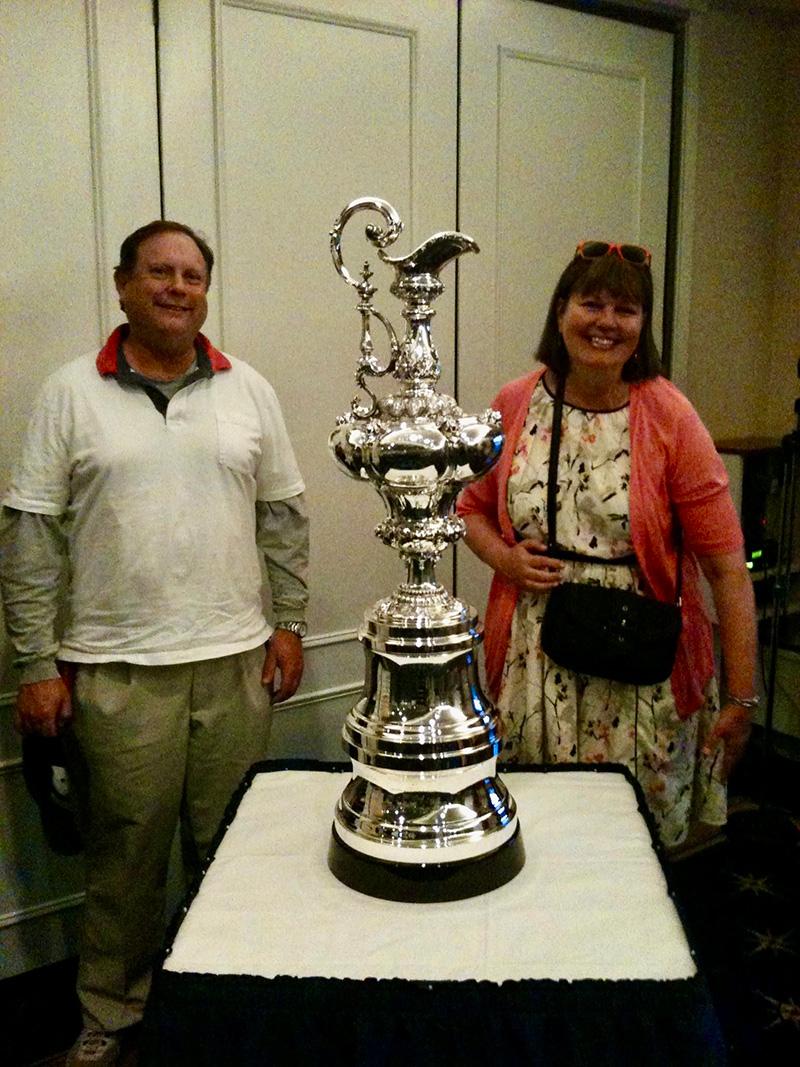
Auld Mug Visits SYC
In honor of SYC’s sponsorship of the OneWorld Challenge, the America’s Cup Trophy (the Auld Mug) visited SYC, where it was placed on display for public viewing.
2017
Celebrating 125 Years
2022
Race to Alaska
SYC member Jonathan McKee and his crew, Team Pure & Wild, won this 750-mile race from Port Townsend, Washington to Ketchikan, Alaska.
2022
Tasar Worlds
The North American Tasar Association and SYC held the Tasar races in Seattle, September 17-25.
2023 – 2024
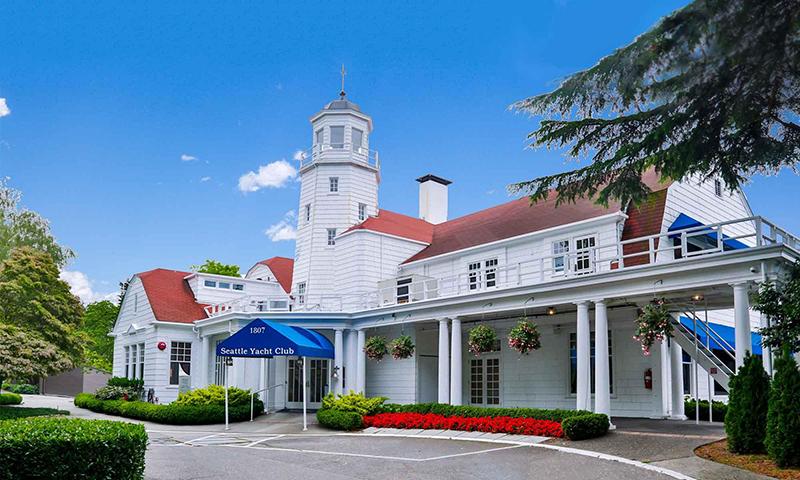
Mainstation Improvements
The cedar siding on the Mainstation was replaced, with the classic marine white color and historic appearance retained, assuring its place as a symbol of the city’s history and development.
